
The Breakdown
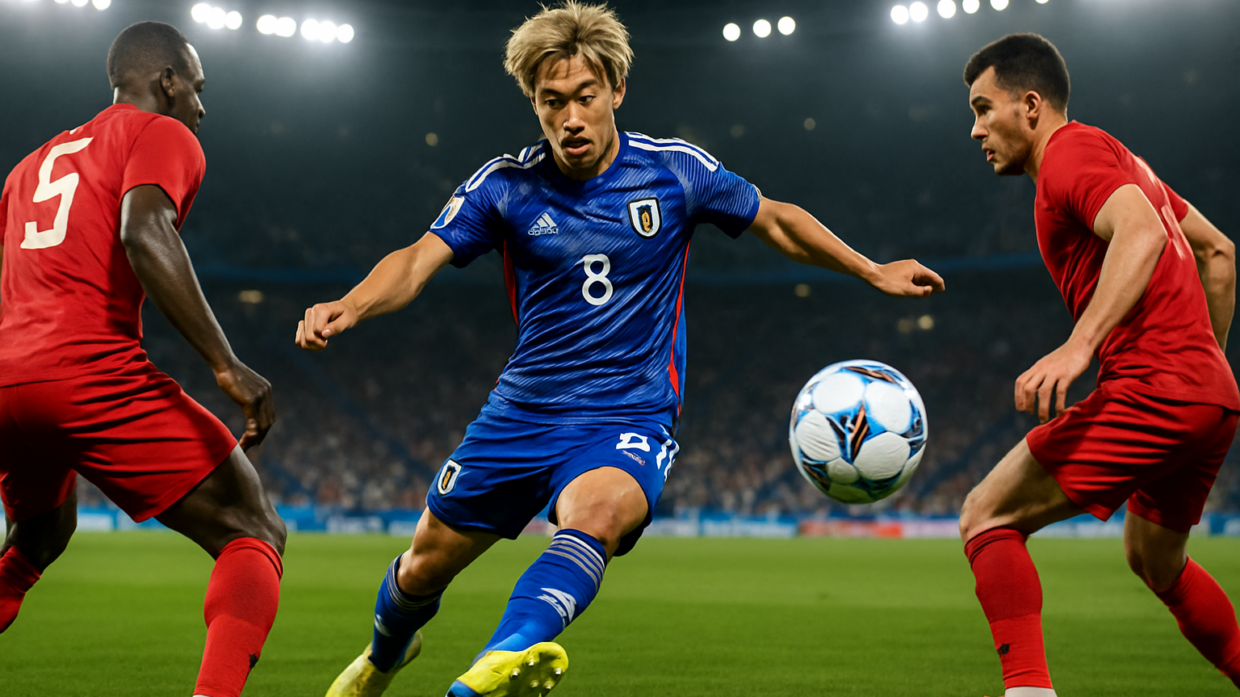
Japan enters this Group Stage matchup as the betting favorite, and their recent trajectory supports that positioning. Over their last five matches heading into the 2026 World Cup, Japan compiled a record of 3 wins, 1 draw, and 1 loss, demonstrating consistent competitive performance. Their qualifying campaign showed defensive solidity and clinical finishing, qualities essential for tournament football. Goalkeeper Shuichi Gonda has maintained sharp form with a save percentage exceeding 75 percent in recent international windows. Midfielder Takehiro Tomiyasu continues to anchor the midfield with press resistance and distribution accuracy that allows Japan to control possession against varied opposition styles.
Tunisia's recent form presents significant concerns for their prospects in this encounter. The North African side won only 2 of their last 5 matches before the tournament, including a disappointing 1-1 draw against Bahrain and a 2-0 loss to Nigeria that exposed defensive vulnerabilities. Striker Youssef Msakni, Tunisia's most creative attacking outlet, has seen his form dip considerably, averaging only 0.4 expected assists per 90 minutes in recent qualifiers. The team's defensive structure regularly concedes chances in transition, a weakness Japan's pressing game and quick combinative play can ruthlessly exploit.
Head-to-head history slightly favors Japan. In their last three meetings, Japan won 1-0 in 2018 with a composed performance, drew 0-0 in 2016 in a cautious encounter, and Tunisia claimed a 2-1 victory in 2012 when Japan's squad was less developed. The 2018 victory particularly matters given it demonstrated Japan's ability to break down Tunisia's defensive block with patience and precise passing movement.
Tactically, Japan's coach will likely deploy a 4-2-3-1 formation with emphasis on possession and width play through fullbacks Hirving Lozano and Maya Yoshida. Midfielder Kou Itakura provides defensive cover while playmaker Kaoru Mitoma creates space in the attacking third. Tunisia traditionally operates a compact 4-4-2 designed to limit space and invite pressure, then counter through Msakni and forward Ali Maaloul. This setup can frustrate opponents but requires immaculate defensive discipline Tunisia has not consistently demonstrated.
Home and away considerations prove relevant here, with Japan holding a stronger record in neutral venues during qualifying tournaments compared to Tunisia's struggles in similar contexts. Japan's adaptation to different climates and playing styles during Asian qualifiers has sharpened their tactical flexibility significantly.
Regarding motivation and stakes, both teams understand that Group Stage matches determine survival chances. Japan enters as a traditional knockout-round participant with deeper tournament experience, facing fewer nerves in opening matches. Tunisia, seeking their first knockout appearance since 2018, may carry tension that affects early decision-making and composure on the ball.
Injuries currently favor Japan marginally, with no significant absences reported for their key starting eleven. Tunisia carries ongoing concerns about midfielder Anice Badri's availability due to persistent hamstring issues that limited his season club play.
The predicted outcome reflects Japan's superior recent form, more reliable defensive structure, and tactical advantages against Tunisia's predictable approach.
The Edge
Why Japan wins
- Japan's possession control limiting Tunisia's counter-attacking opportunities
- Superior finishing efficiency with Mitoma and Itakura creating high-quality chances
- Defensive organization preventing dangerous transitions and set-piece vulnerability
Risk factors
- Tunisia's compact block occasionally frustrating Japan's possession style
- Tunisia's desperation potentially igniting unexpected intensity and physicality
- Msakni exploiting spaces on the break if Japan overcommits forward